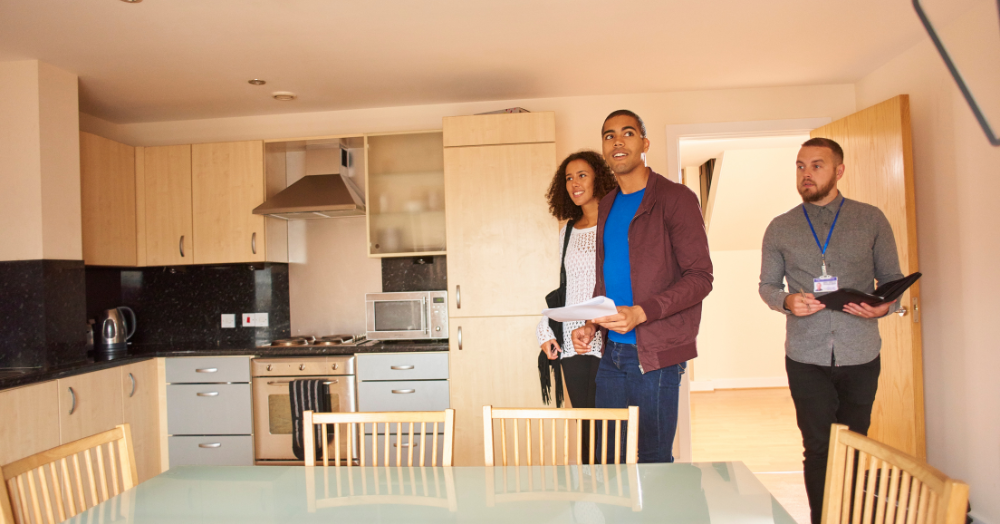
What property defects to look out for at a house viewing
Buying a house is exciting! Sometimes we can make decisions with our hearts and not our heads. Its important not to get too carried away, take a deep breath and make the most out of your viewing appointment. Here we look at defects you should look out for.

You might have found the perfect house in the perfect neighbourhood, but don’t let the excitement cloud your judgement. There may be a few defects in and around the house that could cause serious problems in the future and cost you a lot in the long run.
Whilst a survey, by a qualified surveyor, will always be the best way to understand any defect or risk, it's a good idea to have a general understanding of what to look out for on your viewing to prevent you pursuing something that isn't right for you.
What to look out for at a house viewing:
Dampness
The main sign of dampness in a house is a mouldy smell, flaky plaster and watermarked walls or ceilings. It sounds obvious, but ensure you look closely at the ceilings and around the skirting boards. Also bear in mind that a property may have been painted to disguise the smell - don't let this fool you. Dampness causes extensive damage to a property, it weakens the timber and the structure, eats away the floorboards, window frames and roof beams. If dampness is ignored it can cost you a lot in repair.
Exterior cracks
The inside of the house can smell fresh, but the exteriors may be different. Exterior cracks in walls are unsightly and can be an indicator of more serious structural problems. It is essential to know if a crack can be easily fixed or whether it needs structural repairs. Don’t underestimate the seriousness of a crack in a property.
Pest problems
Depending on the area of the house, there are certain pests and insects that you need to look out for. These pests include mice, moths, ants, flees and spiders. If you see too many of them, there may be a pest problem.
DIY repairs
While there is nothing wrong with DIY repairs, it is important to check they are done correctly. It is normal for a homeowner to undertake ‘do-it-yourself’ repairs around the home, so check the plumbing and electrical areas properly, especially in the bathroom. If you spot something that seems like it’s falling apart, address the issue with the seller.
Its worth looking out for these faults, if you spot anything you aren't sure about talk to the selling agent and the seller. For more complex issues, hire a professional in relation to that issue and take their advice.